The Founder’s Edge
Real case studies, deal breakdowns, and operational tools built from direct experience founding, governing, and exiting venture-backed companies — including one of the largest acquisitions on record. This is the kind of structural analysis that doesn’t exist in business school, in accelerators, or from your lawyers.
Four things set the price of a private technology company, and three of them are fixed before a buyer is ever contacted. The paper takes each apart against the peer-reviewed record: what the accounting research says about a company’s books and the renegotiations that follow, what auction theory says about how many buyers are live at once, and what happens to both once the consideration stops being cash. It also examines the number a board is handed on the day it hires an advisor, and what a second unexplained reduction in it should tell them. Twelve graded sources, two of which argue against the author’s own practice. Written for directors of venture and private equity backed companies.
Four questions, asked in a fixed order, that determine whether a capital-intensive technical venture is worth building. The paper tests them against seven surgical robotics companies using SEC filings, FDA clearance records, court judgments and CMS coverage determinations, and finds that no answer to the second, third or fourth question ever rescued a failure at the first. Vicarious Surgical’s 2026 dissolution is examined against its own filing record to show the determining question was answerable at incorporation in 2014. Written for founders deciding whether to build, and investors deciding whether to fund the company or fund the answer.
A detailed case study in how deal structure — not company performance — determines who gets paid at exit. This paper walks through the capital architecture, liquidation preferences, participation rights, and waterfall mechanics behind one of the most instructive exits in healthcare innovation. You will see exactly how $60 million in acquisition proceeds flowed past the founders and into the hands of preferred shareholders. The analysis covers term-by-term how each financing round compounded structural disadvantage, and identifies the specific decision points where the outcome was sealed. Required reading for any founder negotiating venture terms or approaching a liquidity event.
An examination of seven contractual provisions that have collectively transferred hundreds of millions of dollars from founders to investors across healthcare and technology ventures. Each term is presented with its standard language, its structural consequence at exit, and the specific mechanism by which it erodes founder equity. The paper covers participating preferred, ratchet anti-dilution, cumulative dividends, redemption rights, pay-to-play inversions, drag-along thresholds, and most-favored-nation provisions. Real deal data illustrates how these terms interact and compound. This is the structural literacy that most founders acquire only after signing.
A multidisciplinary analysis of the $2.35 billion Auris Health acquisition by Johnson & Johnson — one of the largest surgical robotics transactions on record. This paper examines how regulatory risk, earnout architecture, governance dynamics, and investor alignment shaped the deal and determined how value was distributed among founders, executives, and capital providers. The analysis reveals how earnout milestones were structured, what contingencies remained unresolved at closing, and how governance provisions influenced the negotiation timeline. Written for founders, CEOs, and board members preparing for or evaluating acquisition offers. Part I of a two-part structural literacy series on capturing value at exit.
The companion analysis to Part I, examining how mechanism design replaced adversarial contract language in the Spine Solutions acquisition by Synthes. This paper dissects an earnout that paid $375 million on schedule with no litigation — a near-impossibility in healthcare M&A — and explains the structural architecture that made it work. The analysis covers incentive alignment between buyer and seller, milestone design that eliminated ambiguity, governance provisions that preserved operational autonomy, and the role of information symmetry in preventing disputes. A direct counterpoint to the Auris case study, demonstrating that earnout structures can be designed to perform rather than litigate. Essential reading for founders and boards negotiating post-closing contingent consideration.
A concise analysis of why the most destructive deal terms are the ones that sound the most reasonable. This brief examines how standard-sounding clauses — terms your lawyer may describe as "market" or "typical" — create predictable founder wipeouts when they interact with each other across multiple financing rounds. The paper identifies the specific compounding patterns, shows how reasonable-at-signing becomes catastrophic-at-exit, and provides a framework for detecting structural risk before you commit. Covers the interaction effects that single-term analysis misses. Written for founders at any stage who are reviewing or about to review term sheets.
The Practitioner’s Shelf
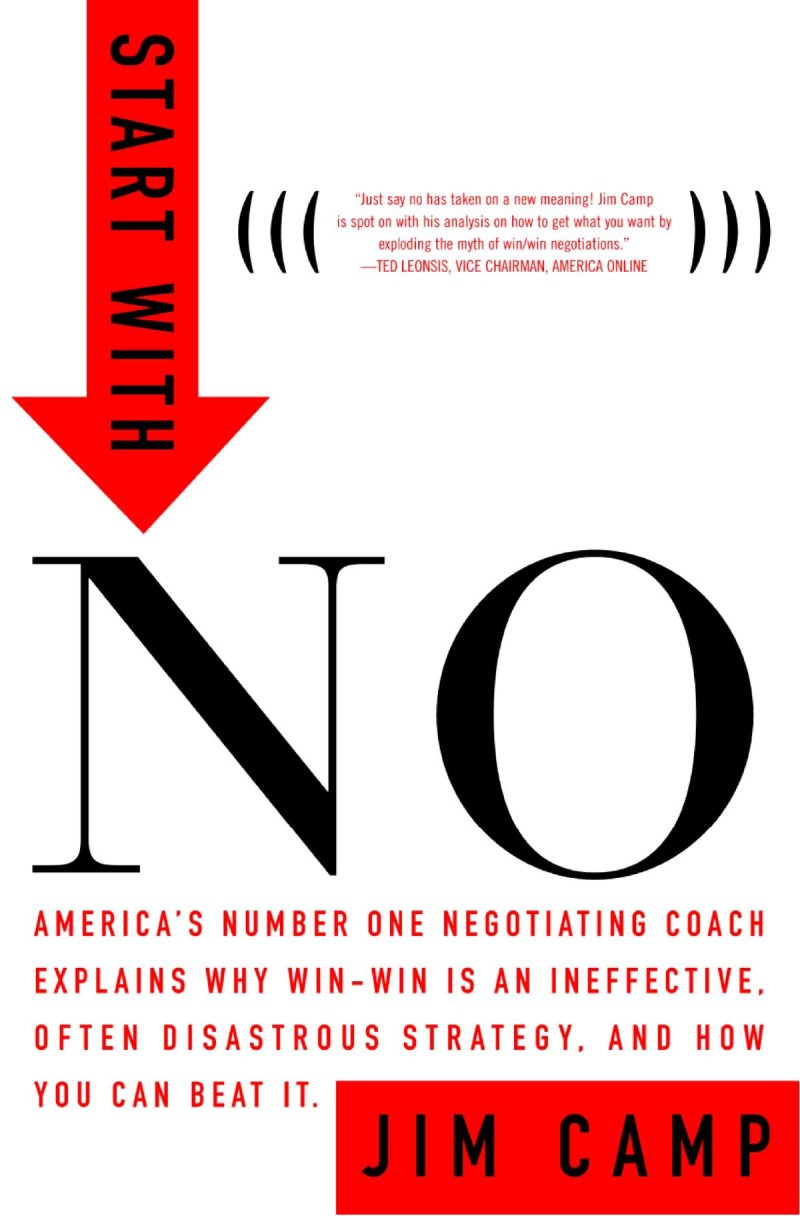
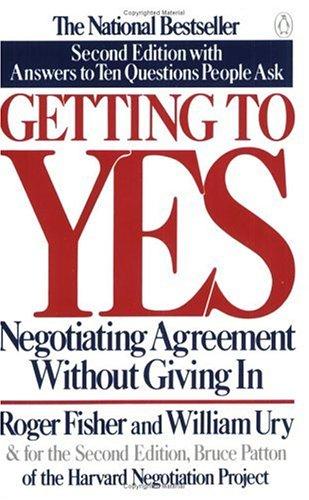
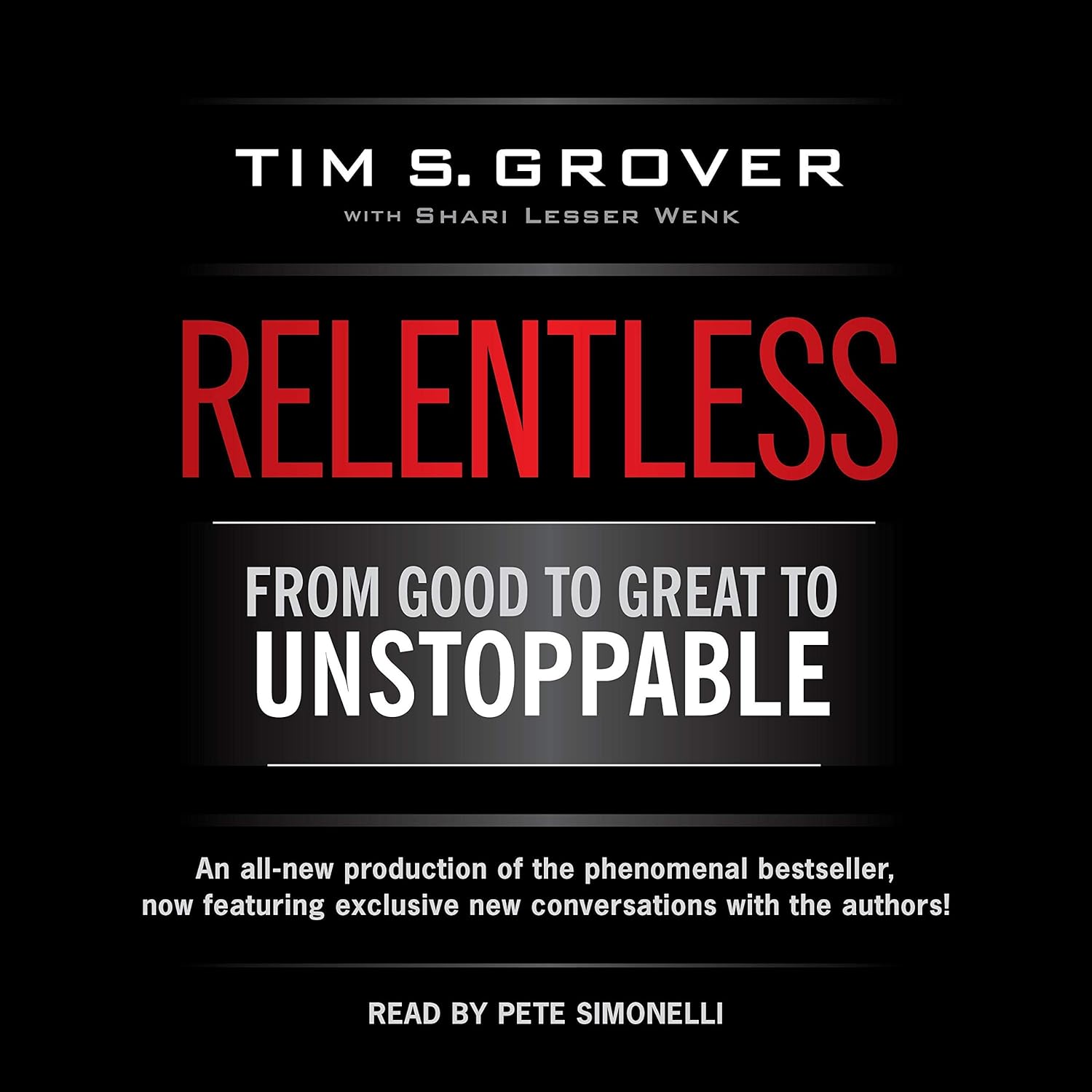
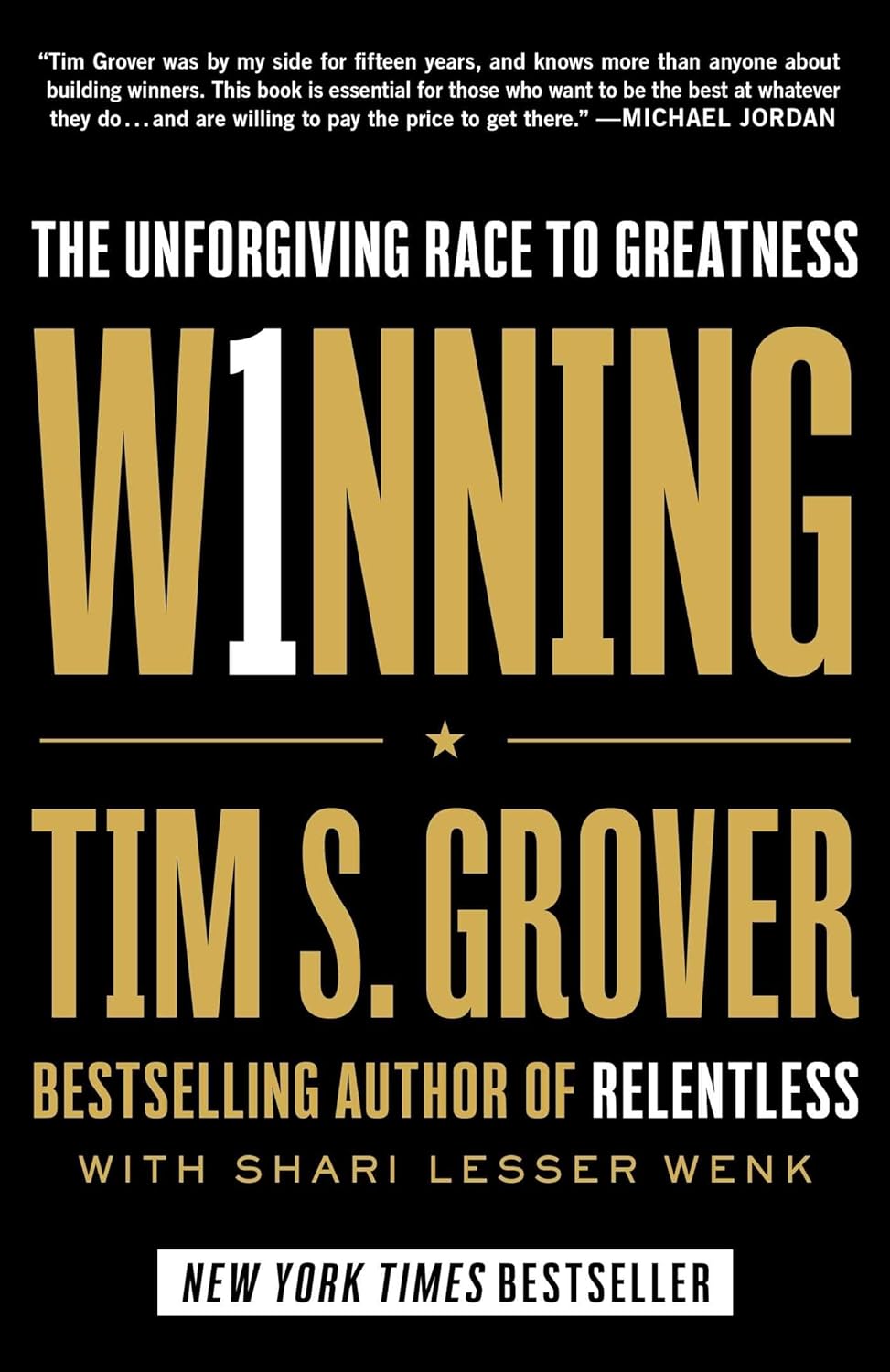
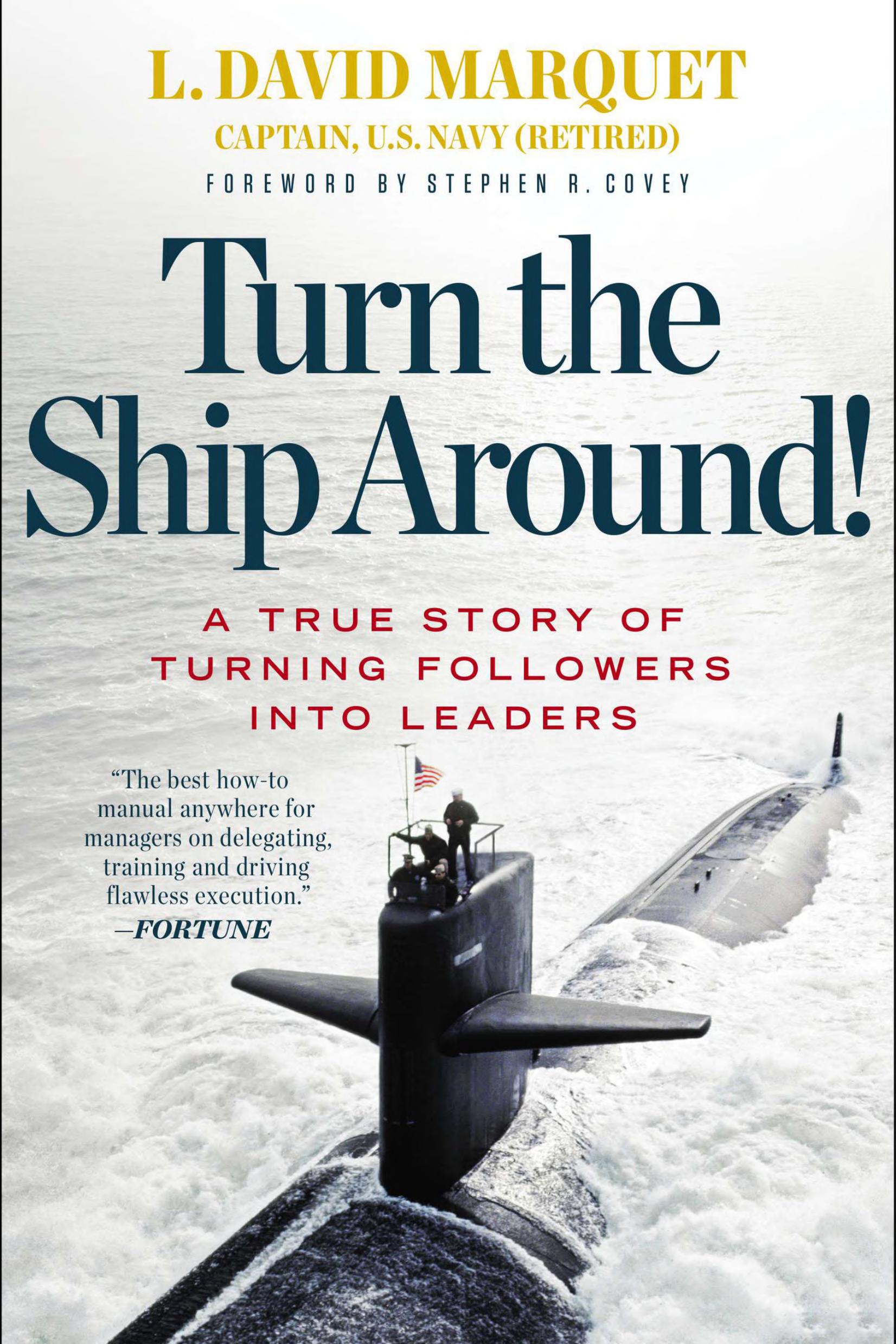
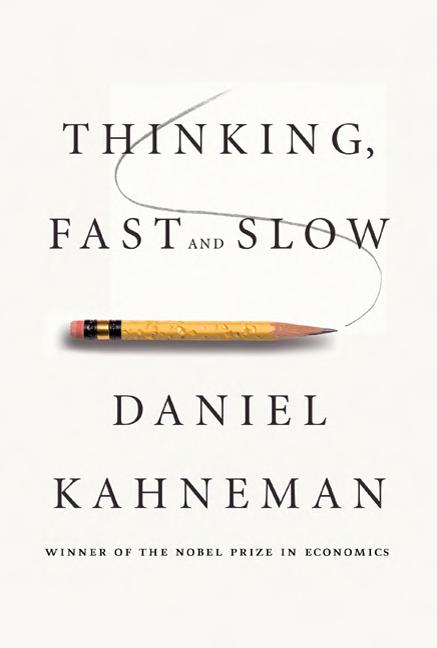
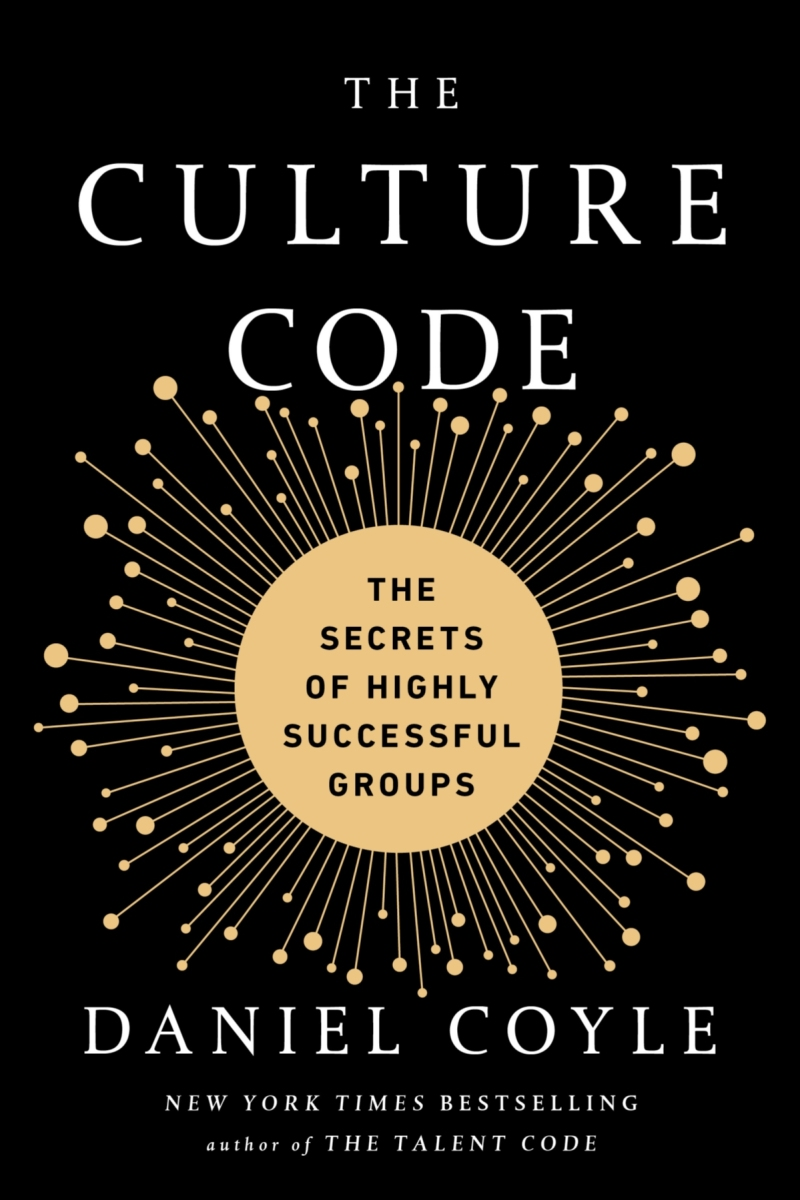
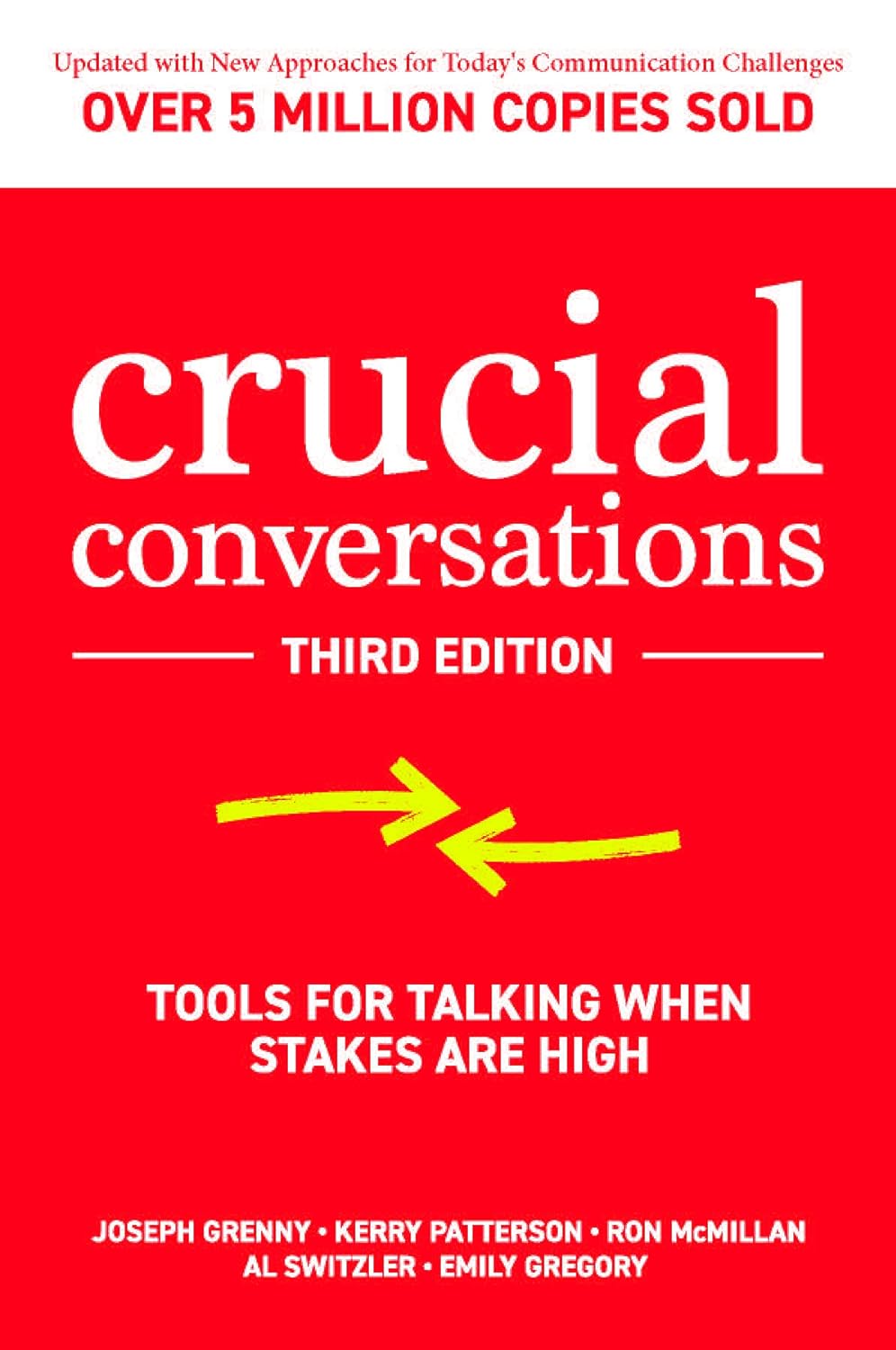
Thirty-eight books selected from thirty years in clinical technology, surgical innovation, and venture-backed company building. No MBA filler. Every book earned its place.
Disclosure: AEIOU is a participant in the Amazon Associates Program. Links to the books below may direct you to Amazon. If you purchase through these links, AEIOU may earn a small commission, at no additional cost to you. We only recommend titles we have read and use in our own practice.











If this material changes how you see your next term sheet, board meeting, or exit