Program

Evolutions

AEIOU Medical is the healthcare track of the AEIOU structural training. Every founder completes the seven Core evolutions that govern how any venture is built, financed, and exited, then the nine Medical Specialization evolutions that apply that structure to the realities of healthcare commercialization: IP, FDA pathway, valuation, and the counterparty across the table.

Seven Core evolutions. Nine Medical Specialization evolutions. One structural training.

The Medical cohort begins September 15, 2026, capped at 20 seats. Early Enrollment pricing is available now through July 30. See tuition

Core Program

Seven evolutions that govern how any venture is built, financed, and exited. Ownership, capital, negotiation, governance, and the exit itself. These apply whether you are building a device, a therapeutic, a platform, or a company in any field. Master the structure. Then specialize.

Core · Evolution
C1

UnbreakableThe Resilient Entrepreneurial Mindset

Explore
Overview
Entrepreneurship tests you before it tests your business. Markets shift, deals collapse, partners leave, and capital disappears. The difference between the innovators who survive and the ones who don’t is not luck or talent. It is whether they built resilience into a system or relied on adrenaline and hope.
The result: you can build resilience into a system your venture runs on, instead of relying on adrenaline and hope when the market turns.
Format
Online
Recommended for
Physician-founders and clinician-innovatorsFirst-time healthcare foundersResearchers launching a spinoutPost-failed-trial recoverySpinout management teamsExecutive teams navigating setbacks
Founder on phone at glass-walled office, contemplating next move
Core · Evolution
C2

BrandingBuilding Authority Through Story

Explore
Overview
Most healthcare innovators think branding is about logos, slogans, or awareness. It is not. Branding is about building faith, trust, and confidence, systematically, until the market recognizes your company as credible, consistent, and competent.
The result: you can build the market’s faith, trust, and confidence in your company on purpose, instead of hoping recognition follows the product.
Format
Online
Recommended for
Clinician-founders building a company brandAcademic spinouts pre-launchMedtech/biotech positioningOperating companies repositioningInvestor and KOL communicationPhysician advisors and KOLs building their market voice
Christopher Velis keynoting at Chengdu Global Innovation and Entrepreneurship Forum
Core · Evolution
C3

Capital & ValueFunding Pathways & Deal Mechanics

Explore
Overview
Every capital decision you make today determines what happens at exit. The valuation you accept, the terms you sign, the preferences you grant, and the governance provisions you overlook do not disappear after closing. They compound.
The result: you can see how every term, preference, and valuation you accept today compounds into your position at exit, before you sign.
Format
Online
Recommended for
Physician-founders preparing to raiseMedtech and biotech fundraisingCap table and dilution for clinician-foundersOperating companies preparing the next roundPhysician advisors understanding their equity and compensationClinician directors reading the cap table
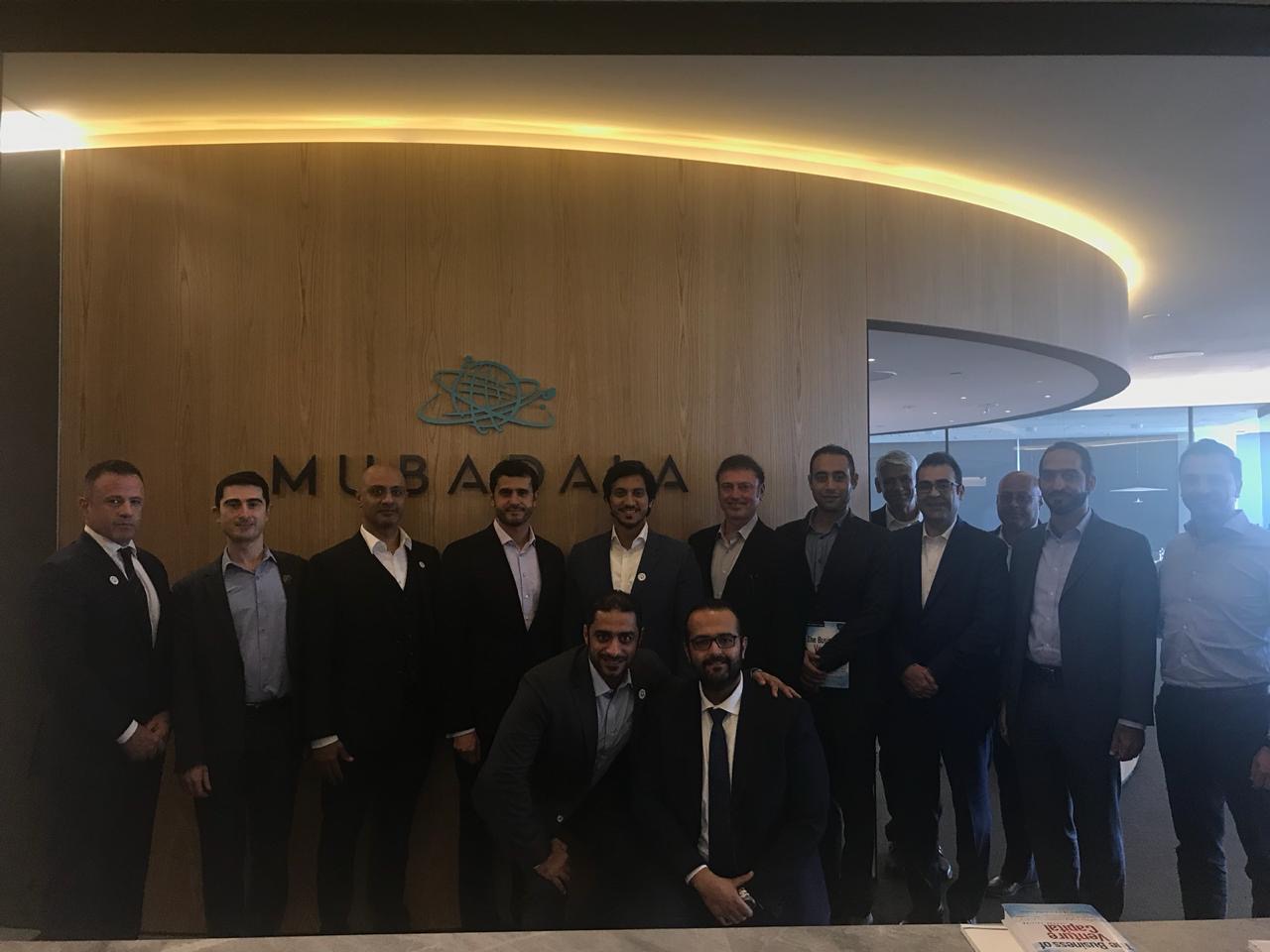
Chris Velis meeting with Mubadala sovereign fund delegation in Silicon Valley to discuss US healthcare entrepreneurship
Core · Evolution
C4

NegotiationHigh-Stakes Deals & Everyday Power

Explore
Overview
Healthcare innovators do not lose value because they lack a good product or a strong market. They lose it because the deal was shaped before they sat down. This evolution teaches you how to design leverage, manage cognitive traps, and control the narrative in every deal that determines your outcome.
The result: you can design leverage and control the narrative before the deal is shaped, instead of discovering it was decided before you sat down.
Format
Online
Recommended for
Physician-founders at the deal tableHospital partnership and licensing dealsPharma/device strategic partnershipsManagement teams negotiating commercial dealsPhysician advisors negotiating role, comp, and scopeClinician directors in board-level deals
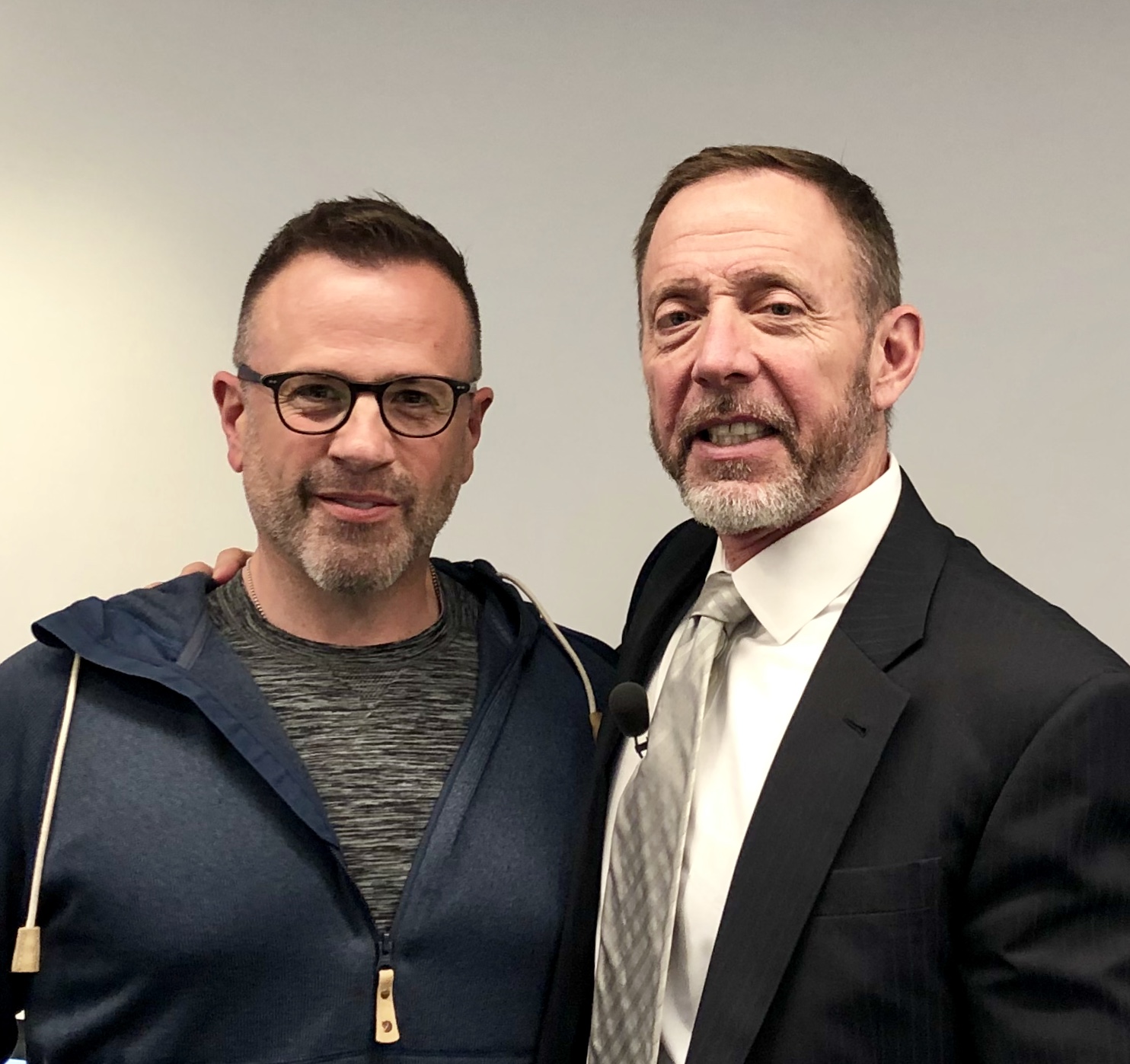
Chris Velis with FBI hostage negotiator and author Chris Voss
Core · Evolution
C5

Boards & GovernancePower, Duties, and Control

Explore
Overview
Most healthcare innovators who lose control of their companies do not lose it to a competitor, a market downturn, or a failed product. They lose it in a boardroom, to provisions they signed and structures they accepted before they understood what those documents allowed.
The result: you can read what a governance provision actually allows before you sign it, instead of losing control in a boardroom to structures you accepted too early.
Format
Online
Recommended for
Clinician-founders building or joining boardsPhysicians joining a board for the first timeClinician directors orienting to fiduciary dutyHospital-spinout governanceOperating-company CEOs managing the boardAdvisor vs. director role clarity
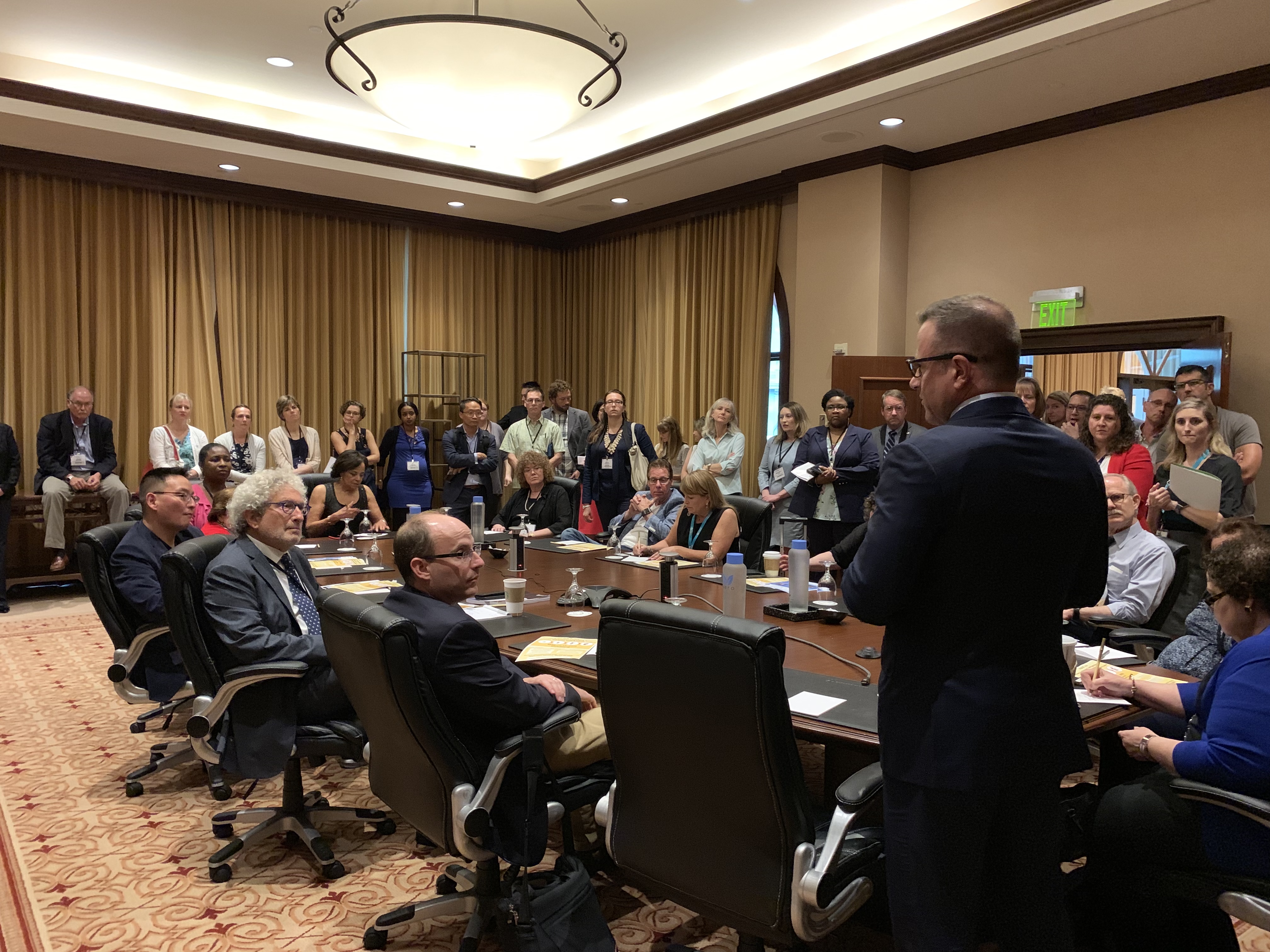
Large boardroom session with standing presenter addressing full room
Core · Evolution
C6

ExpansionThe Architecture of Scale

Explore
Overview
The systems, culture, and leadership that take you from 1 to 10 will not carry you from 10 to 100. Expansion is not addition. It is transformation. This evolution teaches you how to design growth as an architect, not chase it as an operator.
The result: you can design growth as an architect, building the systems that carry you from 10 to 100, instead of chasing scale as an operator.
Format
Online
Recommended for
Multi-site clinical rolloutHospital-system partnership strategyPost-funded medtech scale-upMedical affairs and field team buildManagement teams scaling operating companiesSpinout executives taking it from pilot to market
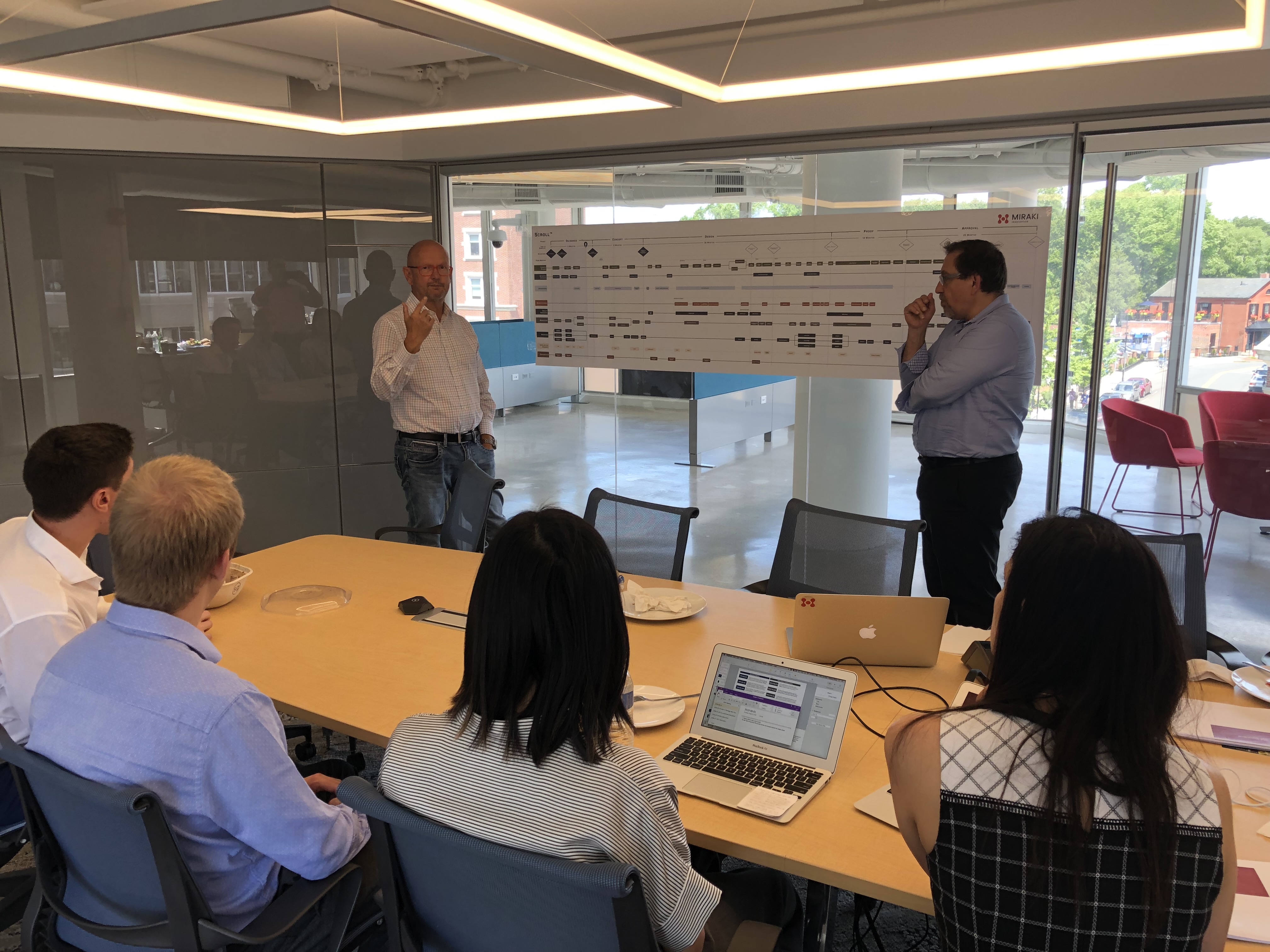
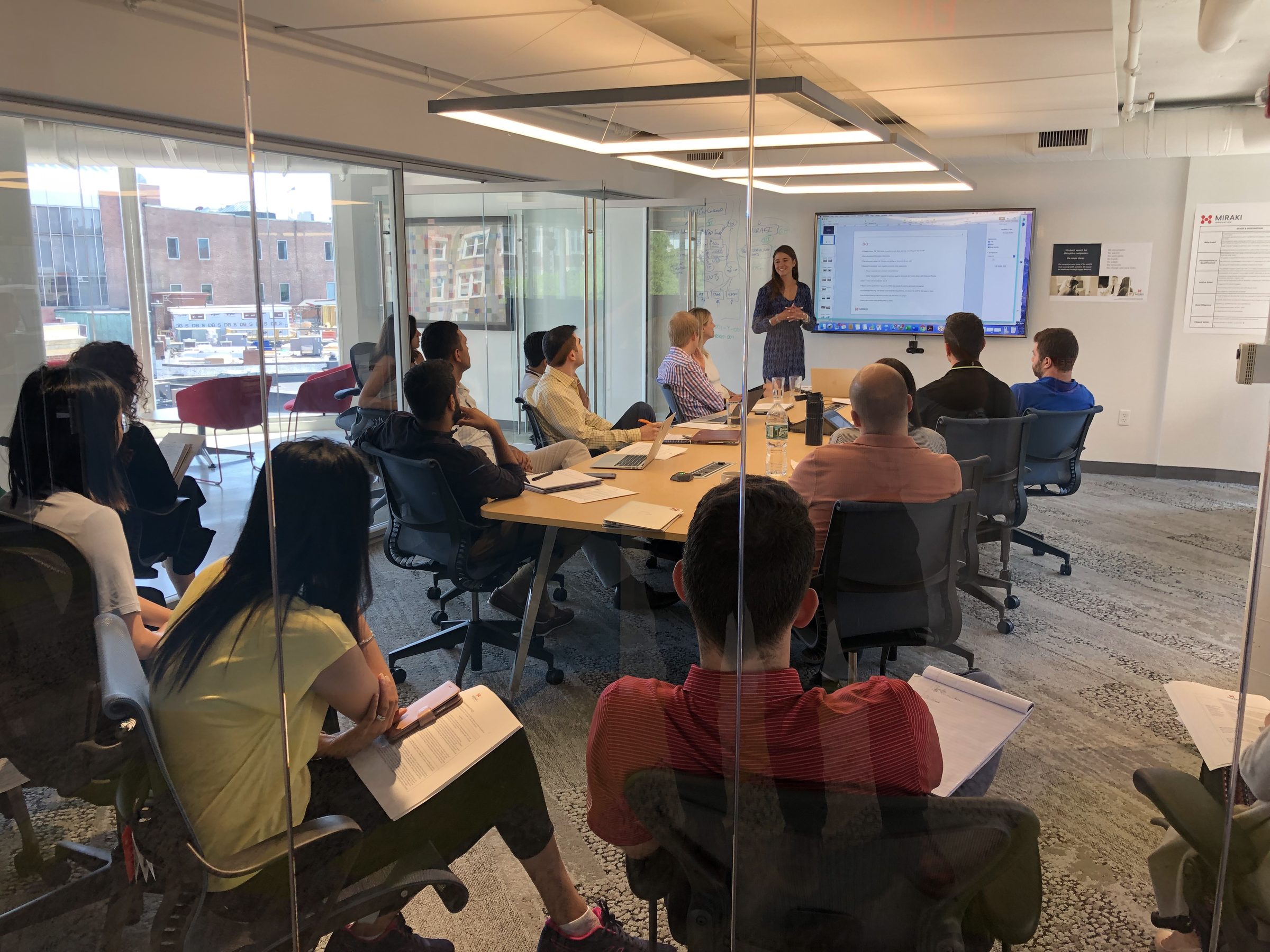
Miraki Innovation team presenting full company roadmap on wall-mounted board
Core · Evolution
C7

Exit StrategyLiquidity and Legacy

Explore
Overview
How exit structure, timing, and stakeholder alignment determine whether healthcare innovators capture the value they created or lose it in the transaction. Covers exit pathways, deal mechanics that silently shift value after closing, buyer and investor psychology, and the personal design of legacy beyond the transaction.
The result: you can structure and time an exit that captures the value you created, instead of watching it shift to the other side in the transaction.
Format
Online
Recommended for
Physician-founders preparing for acquisitionAcademic spinout exit planningStrategic acquirer dynamics in medtech/biotechEarnout and CVR structureManagement teams through liquidityPhysician advisors and directors through liquidity events
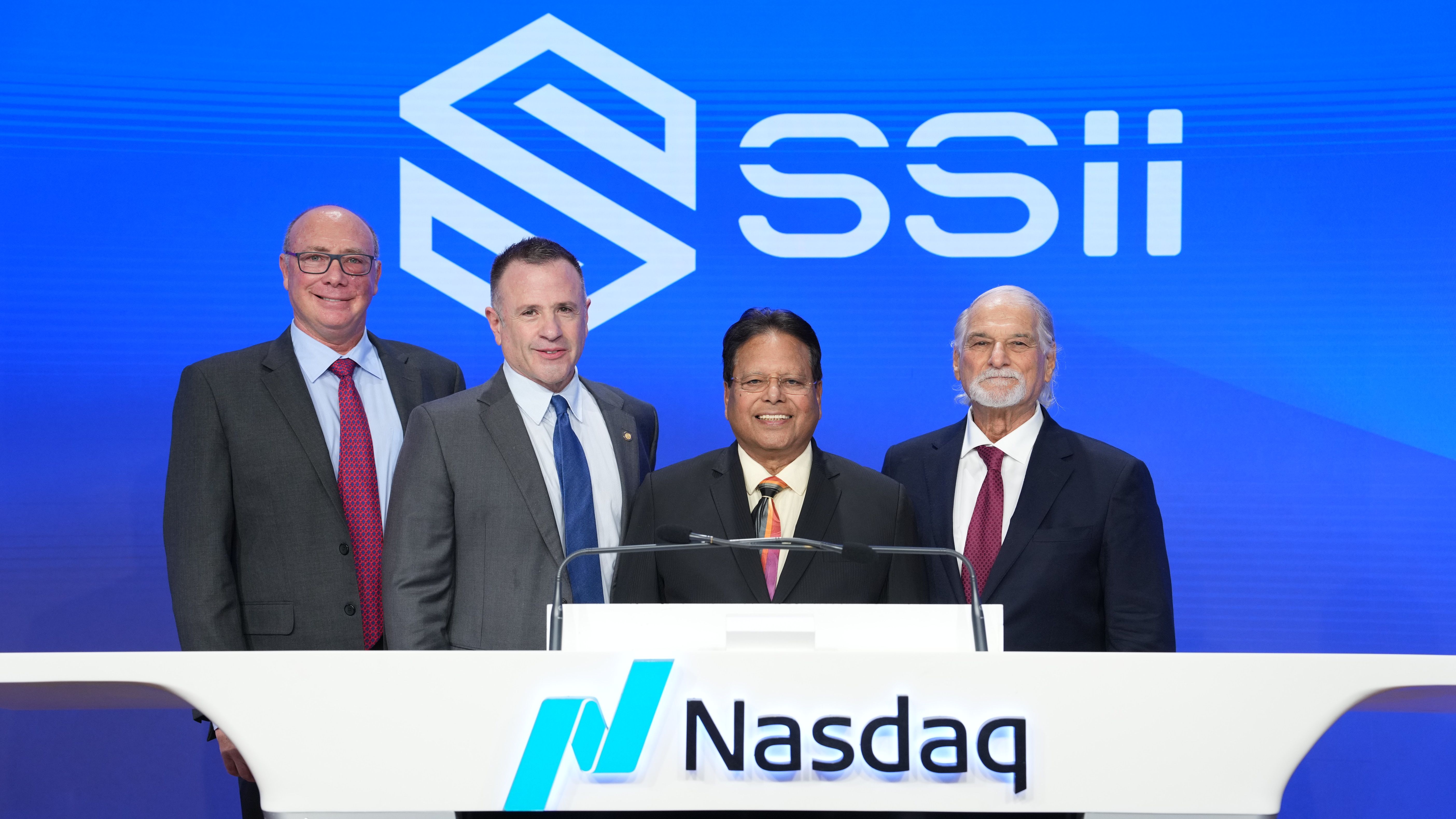
SSII public offering ceremony at Nasdaq
Medical Specialization

The seven Core evolutions above apply to any venture. The nine that follow apply that same structural discipline to healthcare specifically, where the science is only half the problem and the other half is ownership, regulatory pathway, valuation, and manufacturing. Complete the Core. Then specialize.

Medical · Evolution
H1

Who Owns WhatOwnership, Assignment, and the Inventor's Starting Position

Explore
Overview
Bayh-Dole and what it actually says. Stanford v. Roche. University IP policies. Employee invention assignment agreements. How ownership at company formation propagates through every subsequent deal. The structural difference between inventing inside vs. outside an institution.
The result: you can establish who legally owns your innovation before a financing or partnership assumes the answer for you.
Format
Online
Recommended for
Academic innovatorsHospital-based inventorsUniversity spin-outsDepartment chairsClinician advisors with co-inventorship stakesSpinout management teams inheriting IP
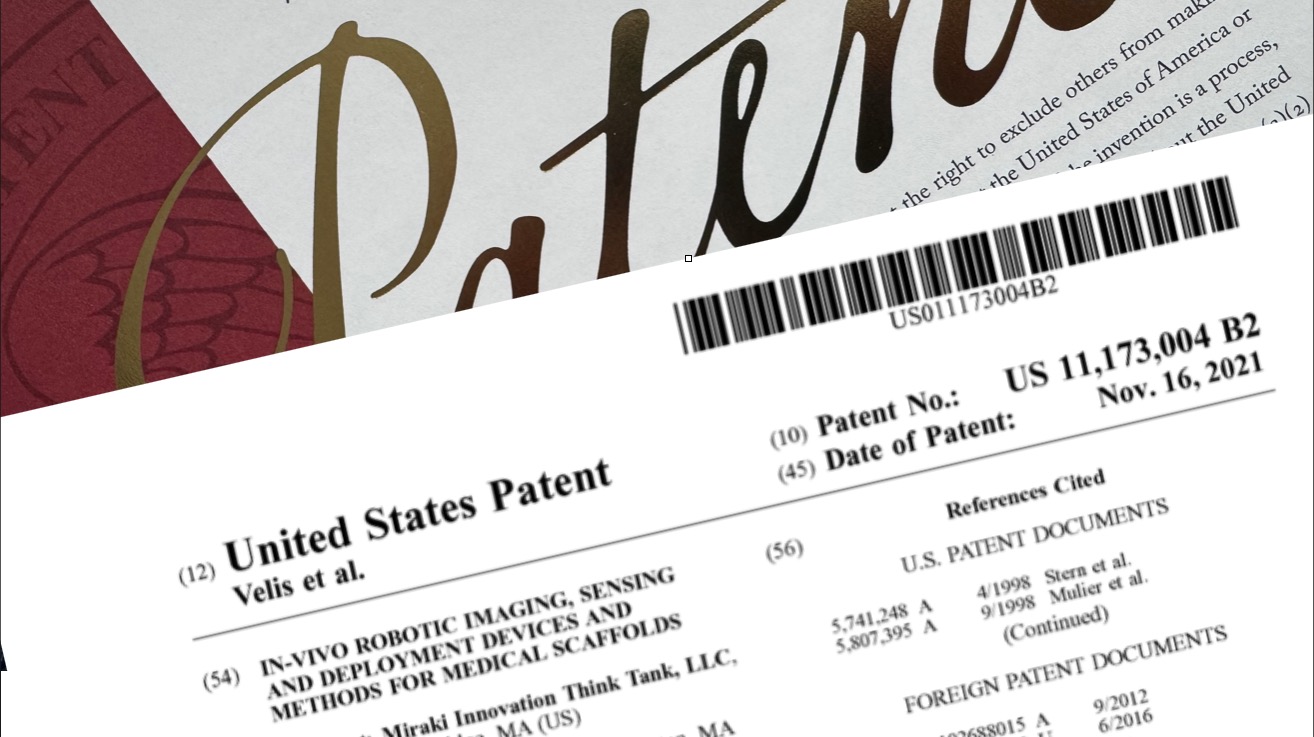
Issued patent document for medical device technology
Medical · Evolution
H2

IP as ArchitectureBuilding a Portfolio That Protects Your Position

Explore
Overview
Patent strategy as structural defense. Provisional timing. Freedom-to-operate. How acquirers evaluate IP in diligence. University tech transfer negotiation. Assignment traps that erode founder position. How IP portfolio construction affects valuation multiples.
The result: you can build a patent position that raises your valuation instead of one that quietly caps it.
Format
Online
Recommended for
Academic inventorsPhysician-foundersMedtech and biotech IP strategyUniversity tech transfer negotiationClinician co-inventors and IP advisorsOperating companies building portfolio defense
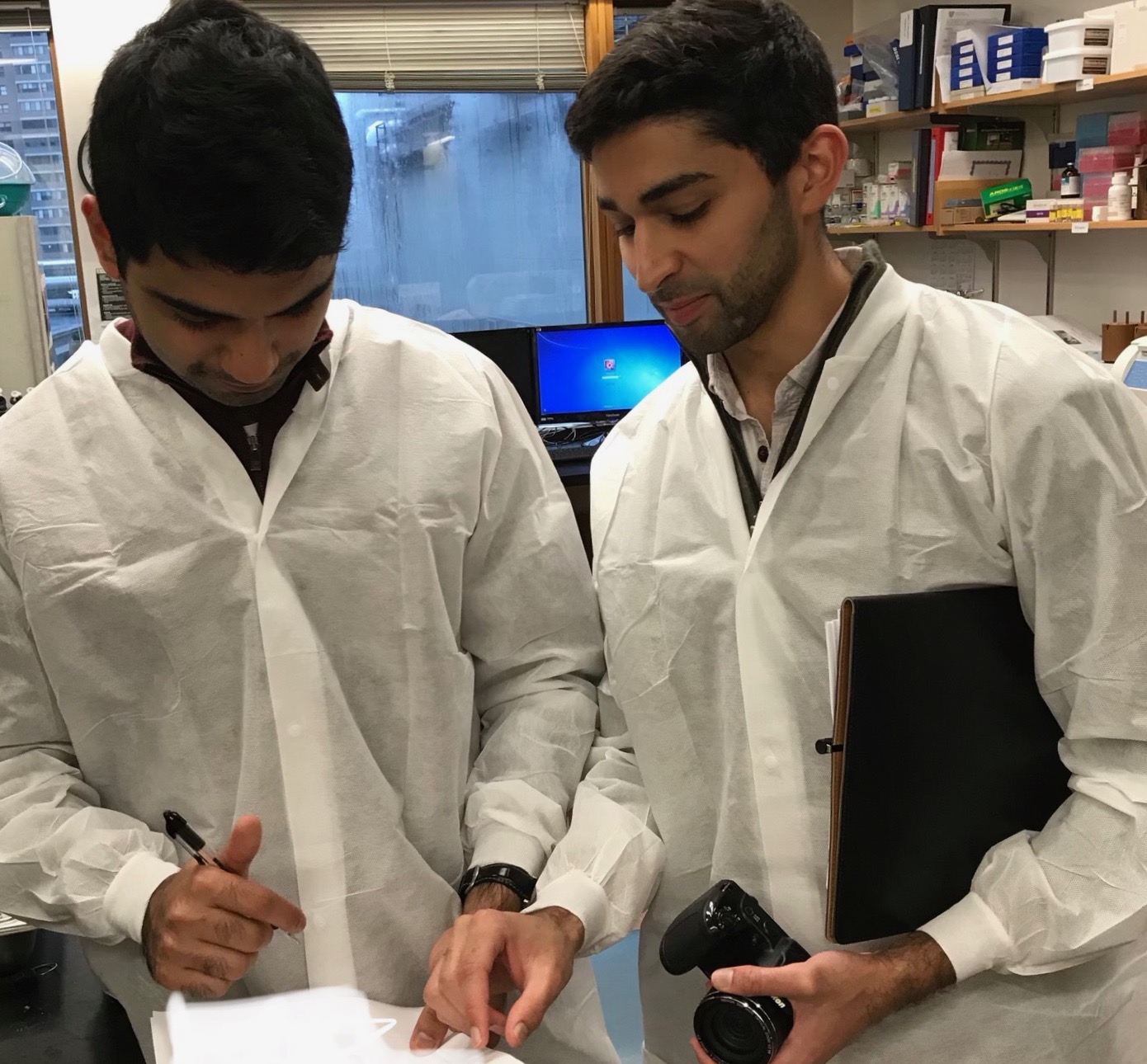
Two researchers in lab coats reviewing work in research laboratory
Medical · Evolution
H3

The ForkLicense, Spin Out, or Walk Away

Explore
Overview
The three structural paths for a protected healthcare innovation and what each costs you. Licensing economics vs. equity positions. The incubator model. Time-to-revenue differences between devices and drugs. The founder's illusion: equity that looks large on day one but dilutes to irrelevance.
The result: you can choose license, spinout, or walk-away with the true cost of each in front of you.
Format
Online
Recommended for
Academic inventors choosing a pathPhysician-inventorsHospital-affiliated innovatorsDevice and biotech foundersAdvisors guiding the license-vs-spinout decisionSpinout management teams at formation
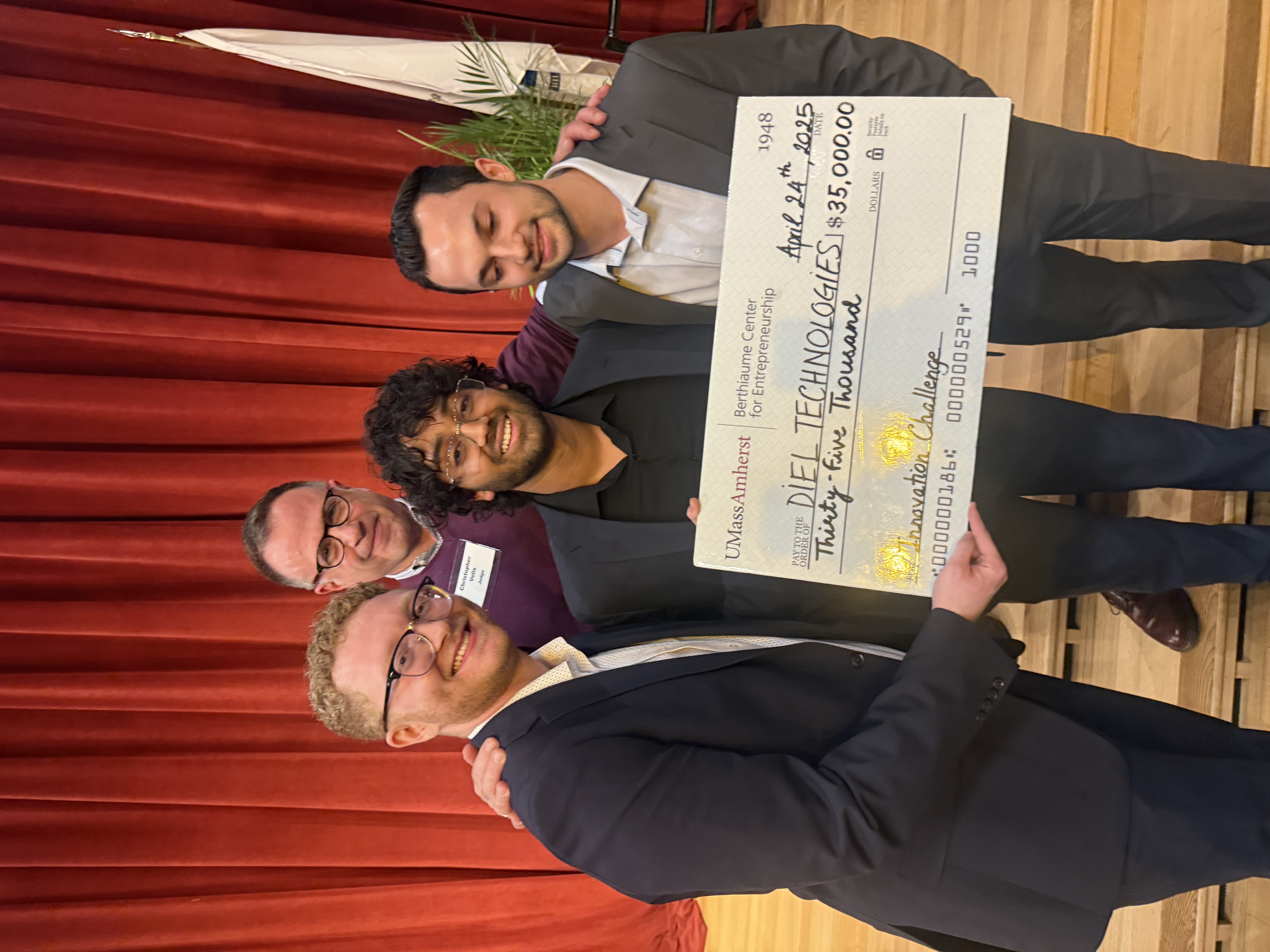
UMass Amherst Berthiaume Center Innovation Challenge winner receiving $35,000 check
Medical · Evolution
H4

Regulatory Pathway as Capital StructureHow FDA Classification Determines Your Cap Table

Explore
Overview
Not regulatory training. Structural consequence analysis. How 510(k), PMA, and IND-to-NDA pathways determine capital requirements, funding round count, and dilution trajectory. How acquirers price regulatory risk into deal terms.
The result: you can map your regulatory pathway to its cap-table consequences before you choose it.
Format
Online
Recommended for
Medtech founders (510(k), PMA)Biotech founders (IND-to-NDA)Academic labs preparing for translationOperating companies mapping regulatory risk to capitalSpinout management teams inheriting a pathwayClinician advisors shaping regulatory strategy
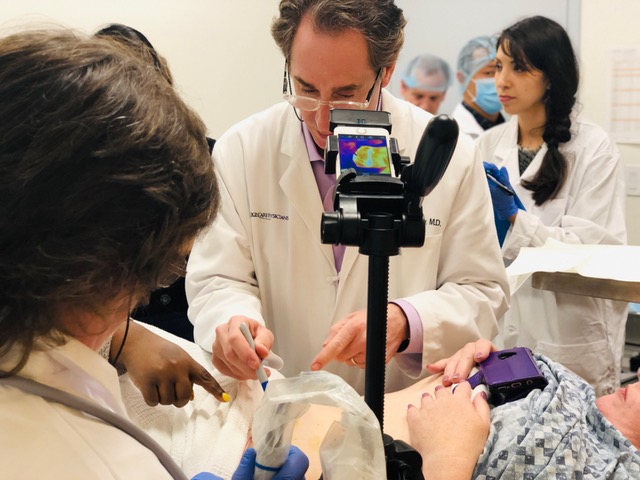
Physician conducting Arctic Fox injectable cryolipolysis clinical study with imaging device
Medical · Evolution
H5

Product-Market Fit and the Go/No-Go DecisionWhen to Continue, When to Kill, When to Pivot

Explore
Overview
The continuous discipline of validating whether a healthcare venture should keep going. Product-market fit assessment, the structural inputs to a go/no-go call, and the institutional pressures that push founders past the rational stop point.
The result: you can decide to continue, kill, or pivot on structural evidence instead of sunk-cost pressure.
Format
Online
Recommended for
Physician-founders mid-ventureMedtech and biotech founders at key inflection pointsAcademic spinouts evaluating viabilityOperating companies at strategic pivotsSpinout management teams facing resource constraints
Coming Soon
Medical · Evolution
H6

Valuing a Technology Before There's a CompanyPre-Revenue Valuation in Healthcare Innovation

Explore
Overview
EVCA valuation principles. Risk-adjusted NPV. Comparable transaction analysis in medtech and biotech. How early-stage valuation sets the structural baseline for everything that follows. The difference between what an angel values and what a strategic acquirer values.
The result: you can defend a pre-revenue valuation to an angel and a strategic acquirer on their own terms.
Format
Online
Recommended for
Academic inventors valuing licensing dealsPhysician-founders pre-fundraiseUniversity tech transfer valuationSpinout management teams setting baseline valuationOperating companies pricing in-license opportunitiesAdvisors valuing their own equity offers
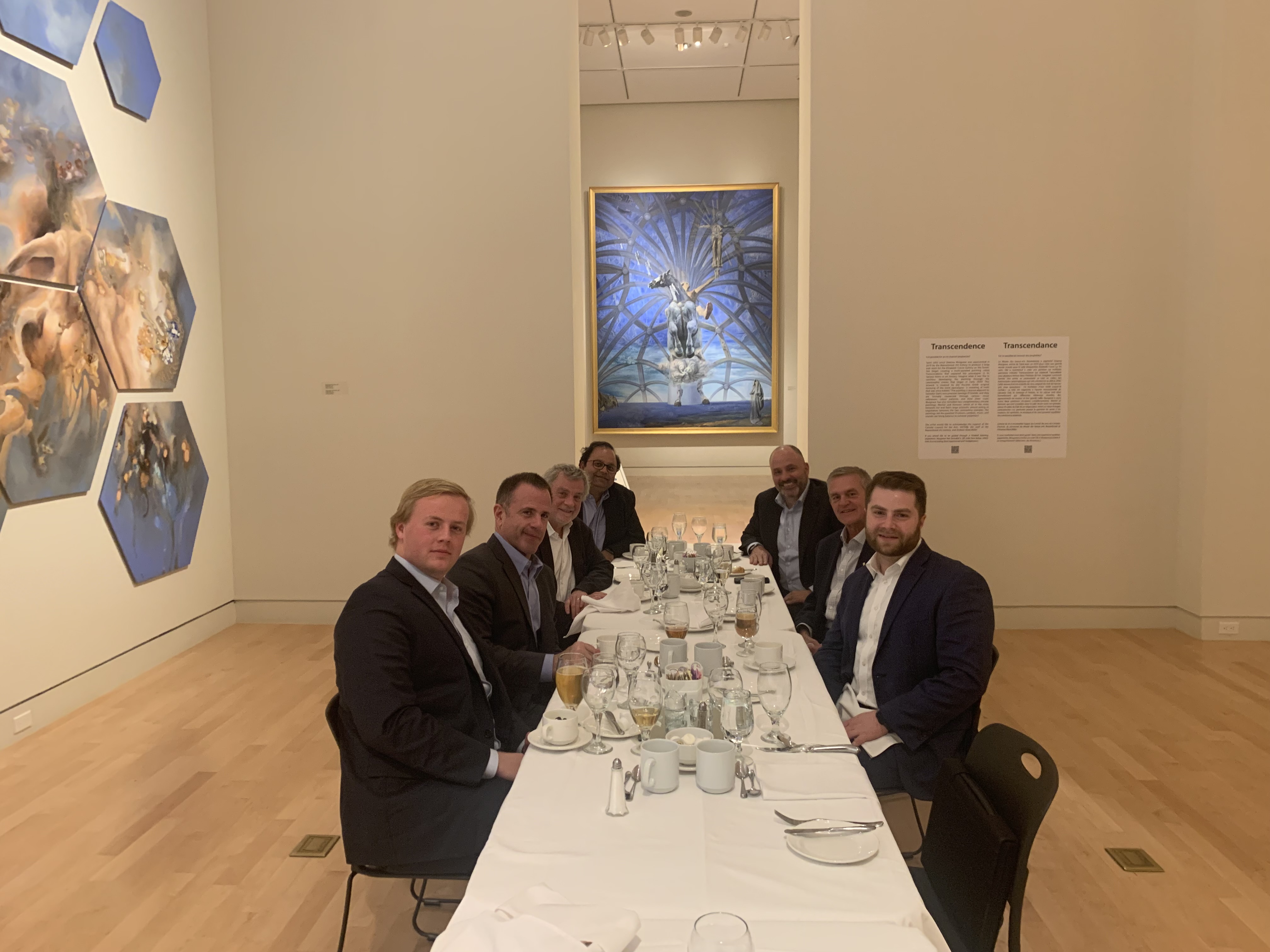
Executive dinner in art museum with investors and advisors
Medical · Evolution
H7

Bench to BedsideRequired: one of two paths. Both available at no additional charge.

Overview
How healthcare innovations move from laboratory to manufacturing at scale, from the founder's perspective. Required: one of H7a or H7b. Candidates may take both at no additional charge.
Format
Online
Recommended for
Coming Soon
Medical · Evolution
H7a

Bench to Bedside: Medical DevicesPrototype to Commercial Device

Explore
Overview
The founder's path from prototype to commercial device. Stage-gate development as a capital structure issue: breadboard, alpha, beta, verification and validation, pilot production. The design freeze decision, the GMP transition, and the premature tooling trap that kills device companies at the finish line.
The result: you can move a device from prototype to commercial production without the manufacturing decisions that quietly destroy unit economics and acquirability.
Format
Online
Recommended for
Medtech founders at clinical stageDevice teams approaching design freezeCombination-product founders navigating dual pathwaysHardware spinouts scaling manufacturingOperating teams transitioning from prototype to GMP
Coming Soon
Medical · Evolution
H7b

Bench to Bedside: TherapeuticsPreclinical Candidate to Commercial Therapy

Explore
Overview
The founder's path from preclinical candidate to commercial therapy across drugs, biologics, and cell and gene therapies. IND strategy as a capital structure decision. CDMO selection and its downstream consequences. CMC milestones as funding triggers, and the manufacturing scale-up gap that strands biotech companies between Phase II and commercial launch.
The result: you can move a therapeutic from preclinical candidate to commercial supply without the CMC and partnership decisions that strand companies before launch.
Format
Online
Recommended for
Biotech founders approaching INDCell and gene therapy teams scaling manufacturingBiologics founders selecting CDMO partnersAcademic spinouts transitioning to clinical-stagePharma founders navigating CMC strategy
Coming Soon
Medical · Evolution
H8

The Counterparty's PlaybookHow Acquirers, Investors, and Institutions Think

Explore
Overview
What the other side of the table is optimizing for. How strategic acquirers evaluate targets. What VCs look for in diligence. How university tech transfer offices measure performance. Reading the counterparty's incentive structure to understand the deal they are offering you.
The result: you can read what the acquirer, investor, or institution across the table is actually optimizing for, and price it into your own position.
Format
Online
Recommended for
Physician-founders preparing for acquisitionAcademic inventors negotiating with tech transferStrategic acquirer and VC diligenceOperating companies reading the other side of the tableSpinout management teams in their first capital cyclePhysician advisors reading deal dynamics
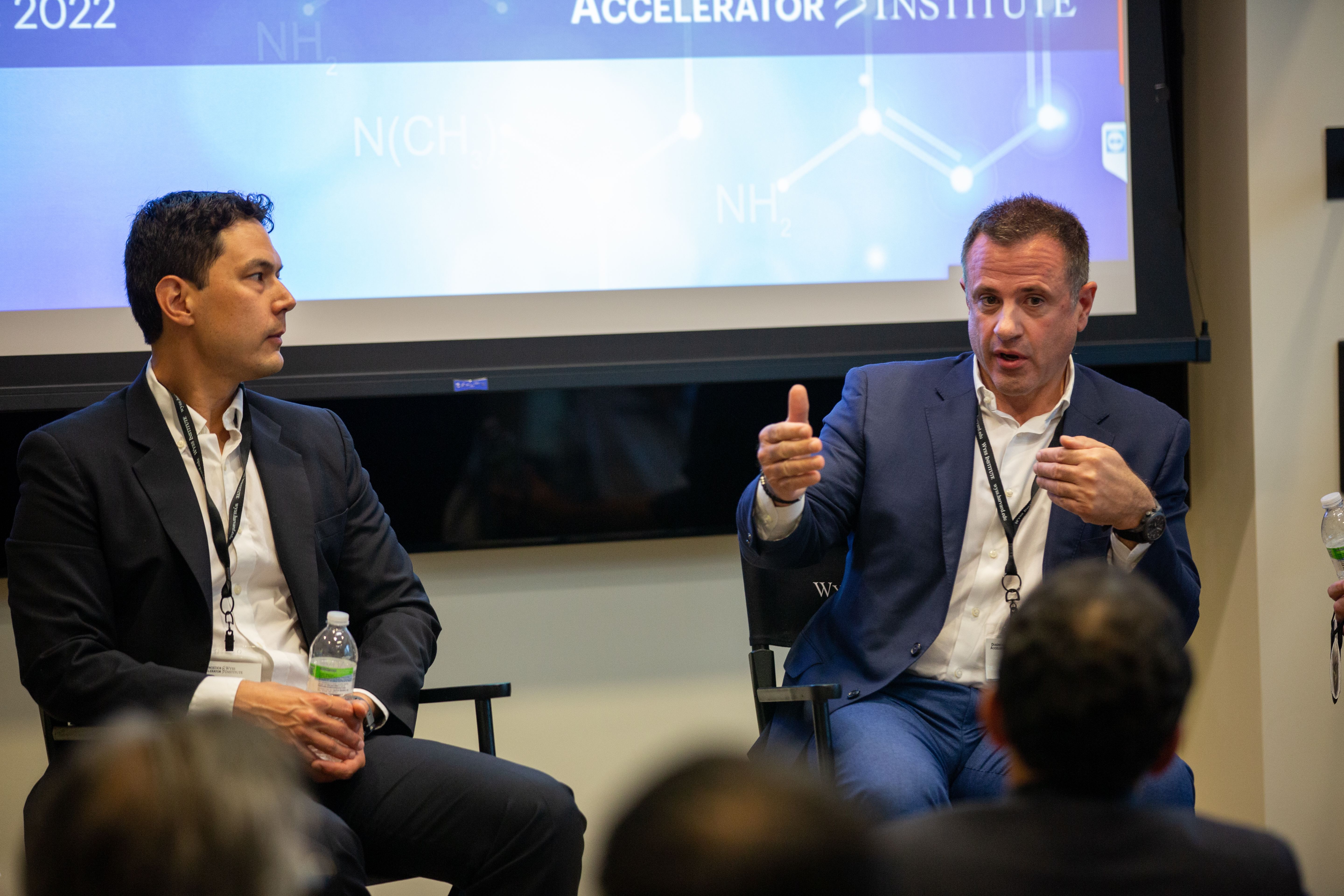
Christopher Velis speaking on panel at Wyss Institute Diagnostics Accelerator Summit
Facilitation & Cohort

Chris and Christos personally facilitate every evolution.

Every live cohort session is led by one or both co-founders. Facilitation is where the curriculum meets your company, your term sheet, your board dynamic, your decision in motion.
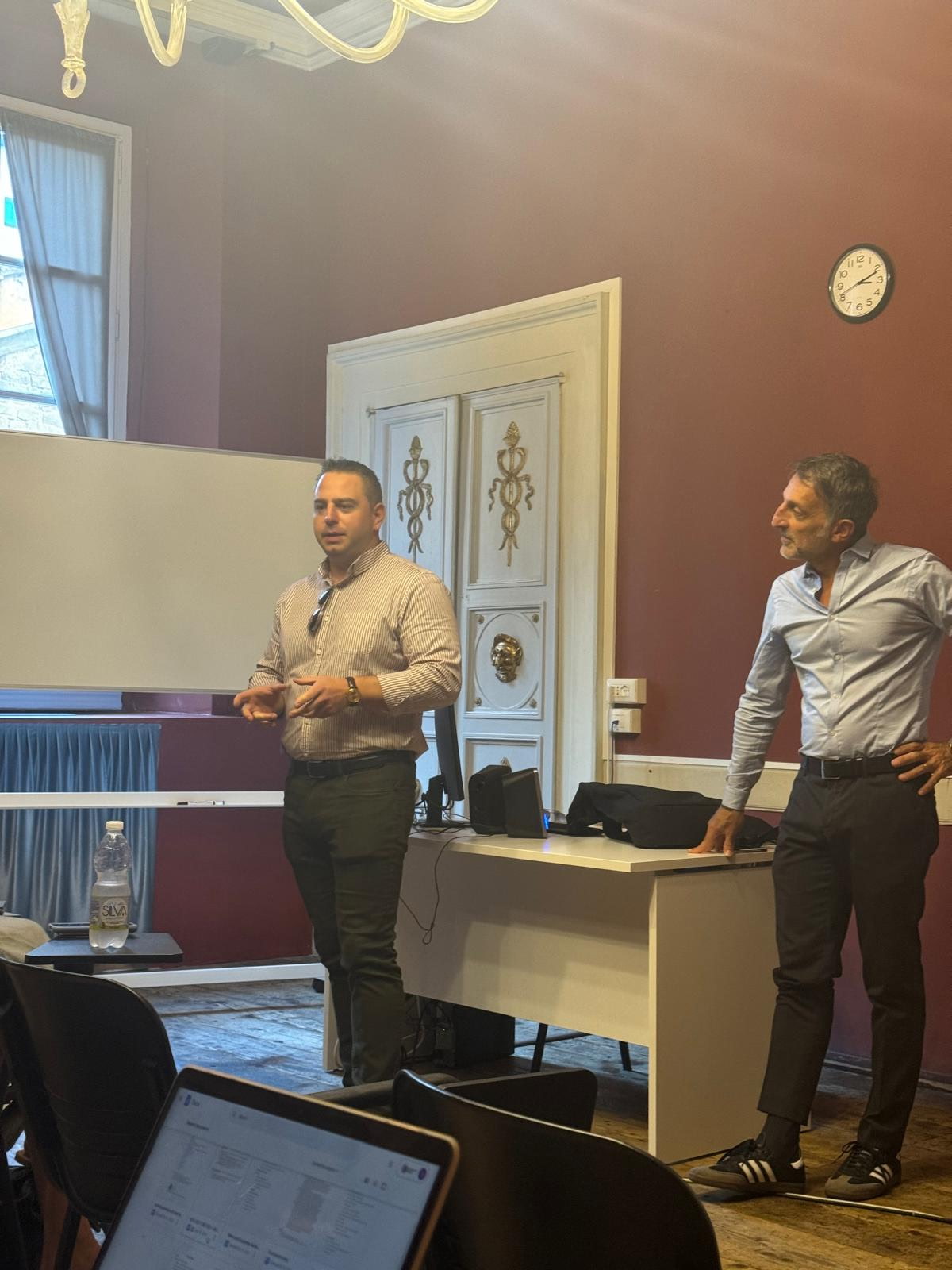
Dr. Christos Kelepouris facilitating a classroom session in Italy
Christos facilitating a classroom session, Italy.
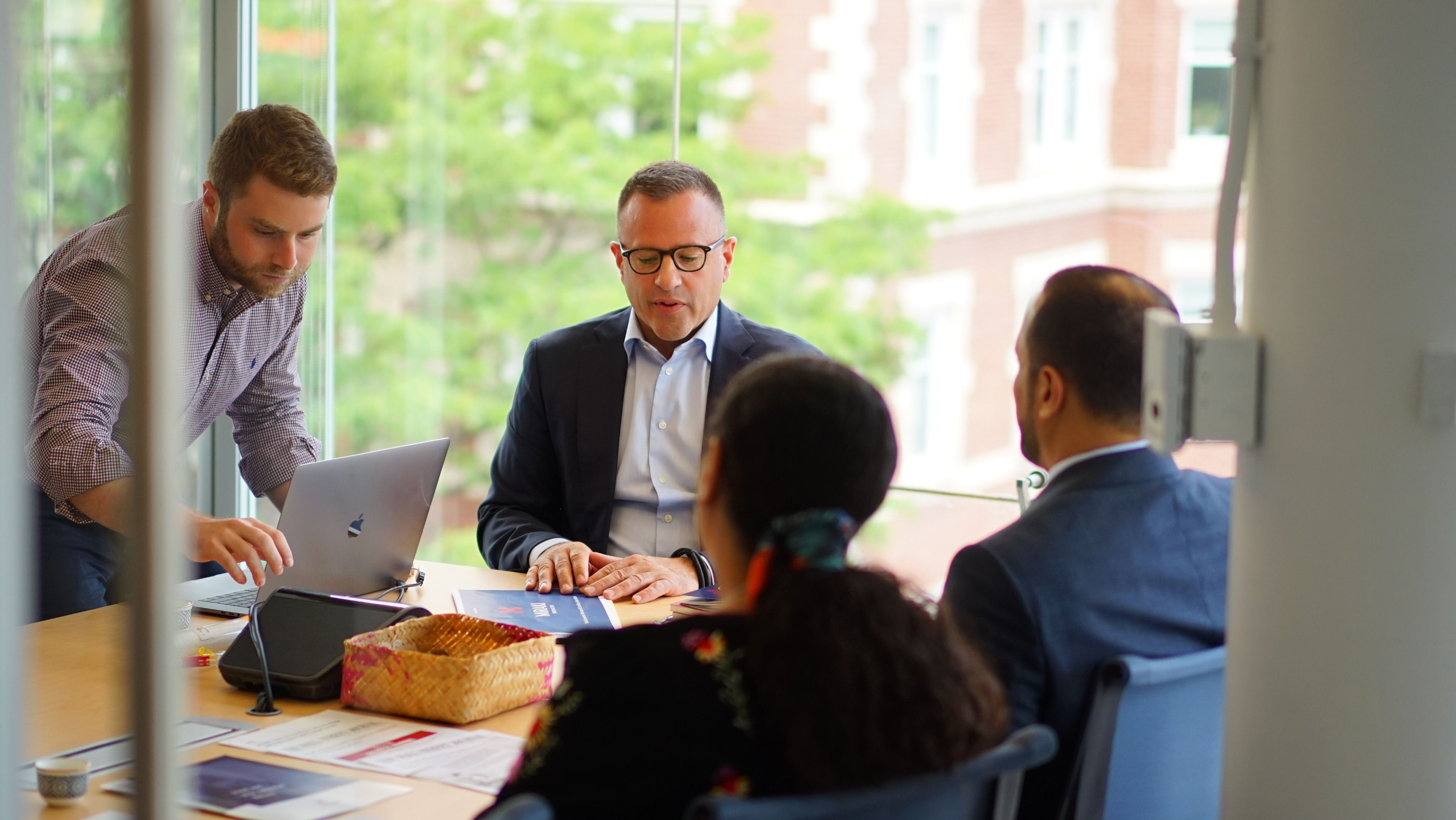
Christopher J. Velis mentoring innovators at the Harvard Innovation Lab
Chris mentoring at the Harvard Innovation Lab.
Multi-disciplinary cores

The seven core evolutions bring together founders, operators, lawyers, physicians, engineers, and investors — typically across multiple countries and continents. Peer learning is built into the design.

Specialized healthcare

The nine Medical Specialization evolutions narrow by design. As the curriculum moves into device, biotech, and clinical translation, the cohort concentrates on healthcare practitioners and operators.

Community that lasts

Classmates stay in touch online between sessions. We bring cohorts and graduates together in person on a semi-annual basis — relationships built in the room outlast the curriculum.

Begin your structural education

Reserve your seat.

Reserve your seat Still deciding? Talk to us
Early Enrollment tuition savings end July 30.
Medical cohort begins September 15 · only 20 seats · your deposit reserves your seat.
Reserve your seat